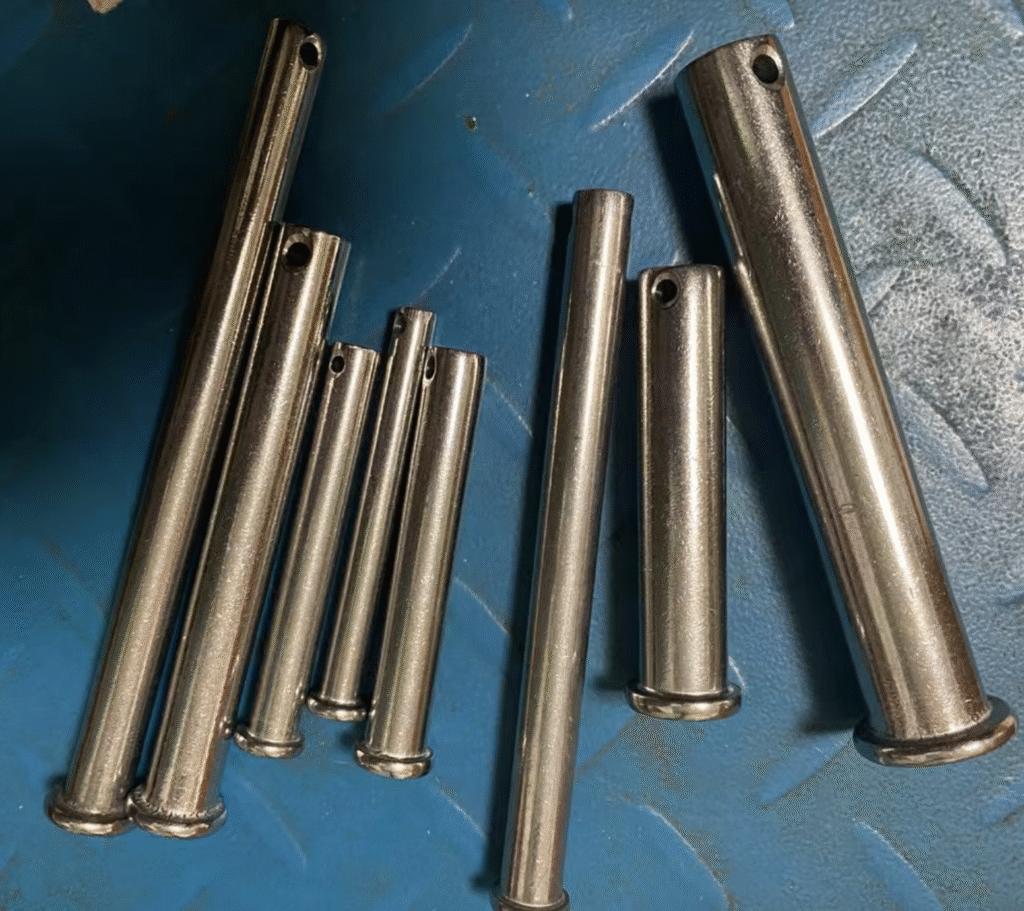

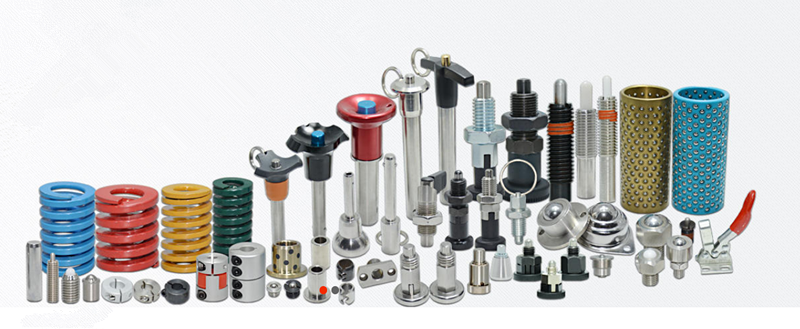
3 8 Quick release pins are indispensable components in mechanical and structural assemblies. Used to secure, adjust, or remove parts quickly without tools, they’re essential in industries ranging from aerospace to marine engineering, and from medical devices to recreational equipment. Choosing the right size of quick release pin is critical to the safety, functionality, and longevity of your project.
This guide will help you evaluate the most important factors in selecting the correct pin size for your specific application.
1. Understand Your Application Requirements
Start by clearly defining the purpose and environment of the 3 8 quick release pin in your project:
- Functionality: Will it hold static weight, resist vibration, or allow for frequent adjustments?
- Environment: Is it exposed to moisture, saltwater, heat, or chemicals?
- Frequency of Use: Will it be removed and inserted frequently?
These factors directly influence the material, coating, and design choices alongside the size.
2. Determine the Proper Diameter
The pin diameter must match the hole it fits into — too loose, and it can rattle or fall out; too tight, and it becomes difficult to insert or remove.
- Measure the hole diameter precisely, ideally with calipers.
- Common sizes range from 1/4″ (6.35mm) to 1/2″ (12.7mm) and metric equivalents.
- Consider tolerance: Ensure a slight clearance fit, especially if the material expands or contracts due to temperature.
3. Choose the Correct Grip Length
The grip length is the part of the pin that actually passes through and holds the components together.
- Measure the total thickness of the parts to be pinned.
- The grip length should match or slightly exceed this thickness.
- Too short, and it won’t lock properly; too long, and it may wobble or stick out unsafely.
Grip lengths are often available in increments (e.g., 1/4″, 1/2″, etc.), so round up if the exact match isn’t available.
4. Consider Shear Strength and Load Ratings
If your application is structural or load-bearing, mechanical strength is critical.
- Check the shear strength (resistance to breaking under load) of the pin based on its material and diameter.
- Choose stainless steel or alloy steel for high-strength needs.
- Avoid aluminum or plastic pins in critical load-bearing applications.
5. Select the Right Retention Style
There are multiple locking mechanisms, and the retention style can affect how the pin sits in the assembly.
- Ball locking: Most common for quick-release, secure and easy to disengage.
- Detent pins: Spring-loaded for light-duty, frequent use.
- Lanyard attachment: Prevents pin loss, ideal for field or outdoor use.
- Ring handle, T-handle, button handle: Choose based on ergonomics and accessibility.
6. Test Fit Before Final Installation
Before committing to a batch of pins:
- Order samples in various sizes if possible.
- Perform test fits under real-world conditions (temperature, stress, moisture).
- Validate with both static and dynamic loads.
Choosing the correct quick release pin size requires careful consideration of diameter, grip length, strength, environment, and retention. Taking the time to measure accurately and test in context ensures your final assembly is safe, efficient, and reliable.
Whether you’re designing for a lightweight bicycle accessory or a critical aerospace structure, the right pin size makes all the difference.