TL;DR — The material and the tolerance decide whether a quick release pin survives its job. 316 stainless resists salt, 17-4 PH delivers strength, aluminum saves weight, and plated steel cuts cost indoors. Shear strength, load capacity and tolerance standards are what turn a catalog number into a safe spec.
A quick release pin looks like a simple rod, but the grade of steel and the tightness of the tolerance are the difference between a pin that holds and a pin that lets go. We have made pins in these materials in Shenzhen since 2016, and this guide is the material and standards reference we wish every buyer had before they specified.
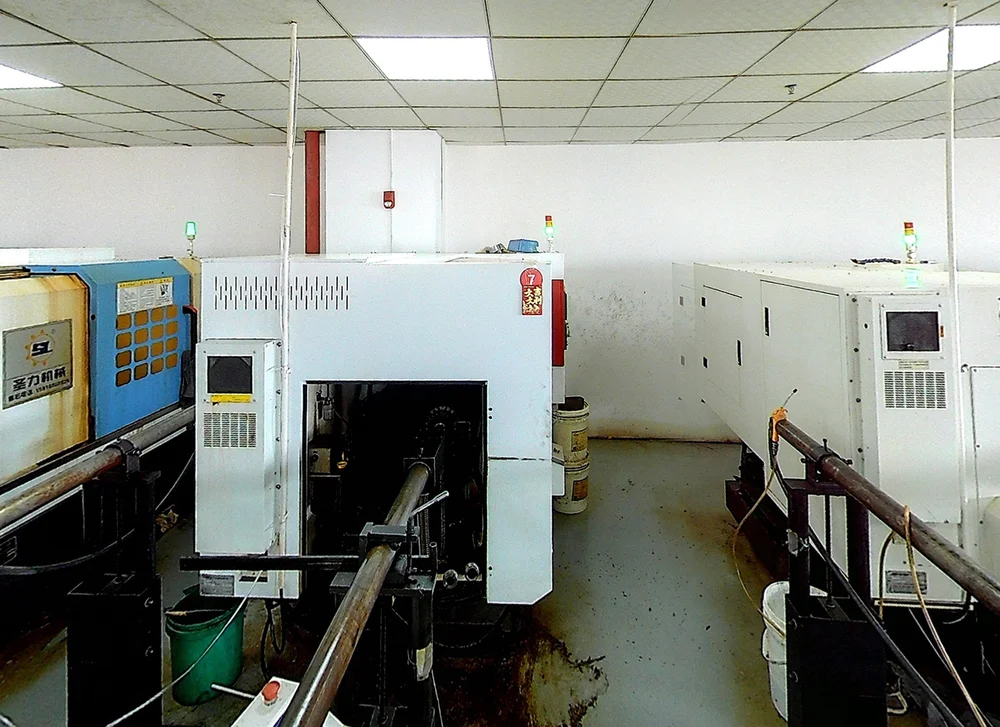
Material Grades at a Glance
| Material | Strength | Corrosion | Weight | Best for |
|---|---|---|---|---|
| 316 stainless | Good | Excellent | Medium | Marine, outdoor, medical |
| 17-4 PH stainless | Very high | Good | Medium | Aerospace, high-load |
| Aluminum | Low | Good | Low | Weight-critical |
| Plated carbon steel | Medium | Poor (unless plated) | Medium | Dry indoor |
The full quick release pin material comparison expands this into a decision table with finishes.
316 Stainless Steel
316 stainless steel is the marine and outdoor default. The molybdenum content resists pitting in salt water, and the balls and spring should be in the same family so the whole pin survives. Use it anywhere the pin sees weather or washdown.
17-4 PH Stainless Steel
17-4 PH is precipitation-hardened, giving strength close to alloy steel with stainless corrosion resistance. The trade-off is cost and a heat-treatment step. Specify it where strength and a thin shank both matter, such as aerospace and motorsport.
Aluminum
Aluminum wins only when weight beats strength. It is softer and lower in shear, so it suits lightweight panels and fixtures, not load paths. Pair it with a hard anodize if wear matters.
Shear Strength
A pin’s rating is its shear strength at the installed diameter. Shear strength explains how it is tested and why a test report beats a catalog number. Remember that the lock, not just the shank, shares the load, so the balls and spring rate matter too.
Load Capacity Charts
The load capacity chart shows how diameter and material combine into a working load. Read it as a starting point, then apply a safety factor for shock and vibration.
Tolerance Standards
A pin is only as good as its fit. Tolerance standards cover the hole diameter, the ball protrusion, and the grip length. A pin that is a few thousandths oversize will not enter a reamed hole; one that is undersize will rattle. Specify the hole and let the factory hold the pin to it.
How to Specify the Right Pin
- Pick material by environment: 316 for wet, 17-4 PH for strong, aluminum for light, plated steel for dry.
- Size the shank from the load chart with a safety factor.
- State the hole tolerance and grip length, not just the diameter.
- Ask for material certs and a shear or QC report.
- Sample and measure before scaling to production.
Frequently Asked Questions
Which material for outdoor use? 316 stainless. For salt water it is the only sensible choice.
Does a stronger material mean a smaller pin? Often yes, since 17-4 PH carries more load at the same diameter. Confirm with the load chart and a test report.
Why does tolerance matter more than grade sometimes? A perfectly graded pin that will not fit the hole is useless. Fit drives assembly; grade drives life.
Can I mix materials in one pin? Yes, the shank and the locking balls are often different grades, chosen for their separate jobs.
Spec Materials With a Factory That Holds the Tolerance
Since 2016 we have machined quick release pins in 316, 17-4 PH, aluminum and plated steel in Shenzhen, holding the tolerances that make them fit and the certs that prove them. Contact us with your material and tolerance and we will quote the part.