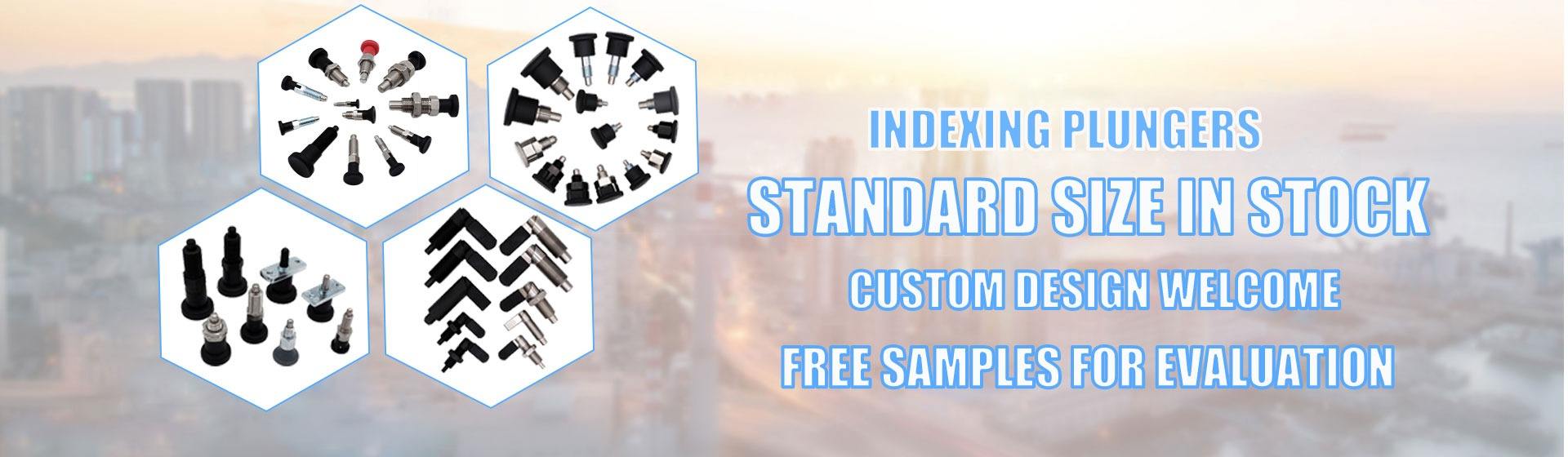
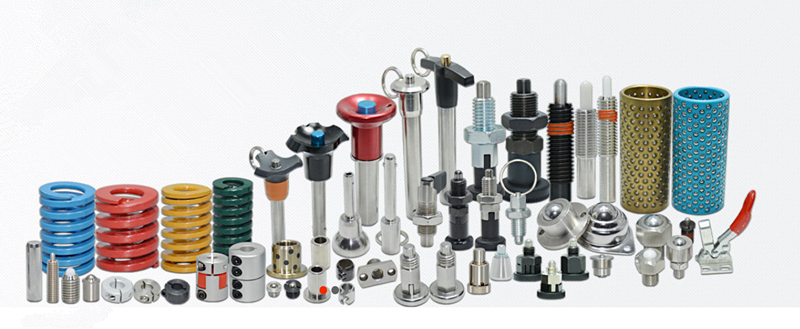
TL;DR — China is the default source for quick release pins because of integrated supply, scale, and OEM capability. The risk is not the country, it is buying from a trading desk instead of a factory. This guide covers how to import step by step, what drives MOQ, price and lead time, how to verify quality and ISO 9001, and how to evaluate a custom manufacturer.
China makes the majority of the world’s fasteners for a reason: the supply chain for steel, plating, machining and packaging sits within a day’s drive of most factories. But the catalog that looks like a manufacturer is often a trading company adding a margin and a relay delay. We have run a fastener factory in Shenzhen since 2016, so this guide is written from the making side.
Why Source Quick Release Pins From China
- Integrated supply — material, machining, plating and packing in one region.
- OEM capability — custom diameters, handles and materials from a drawing.
- Scale — small batches and ten-thousand-piece runs from the same line.
- Cost — not the cheapest possible, but the best value at verified quality.
The catch is selection. Start with how to find a reliable fastener supplier, then verify the rest below.
How to Import Step by Step
Our step-by-step import guide breaks the process into stages: spec the part, sample, verify, order, inspect, ship. The short version:
- Send a drawing or sample with material and tolerance.
- Get a quote that lists material, finish, and inspection.
- Order a small trial batch and measure it yourself.
- Lock the spec, then scale to production.
- Inspect before the container leaves, not after.
MOQ, Price and Lead Time
These three numbers are where quotes diverge, so read them carefully:
- MOQ — what suppliers expect and how to negotiate a lower first order.
- Price per piece — the factors that actually move the number: material grade, tolerance, finish, volume.
- Lead time — realistic schedules and where the delays really hide.
A price that looks too good usually means a material or tolerance you did not specify.
Quality Inspection and ISO 9001
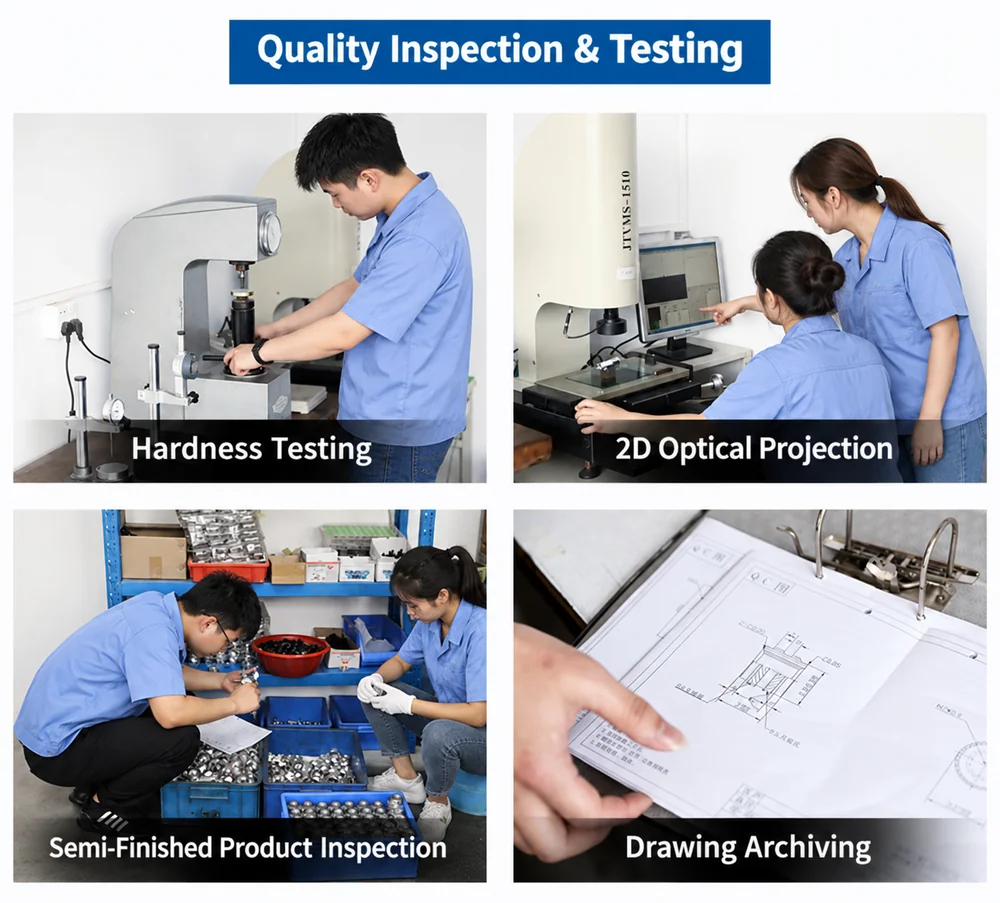
- Quality inspection in China — how to verify before shipment, including third-party checks.
- ISO 9001 — what the certificate actually proves, and what it does not.
Material certificates and a QC report with the shipment are non-negotiable for a safety part. If the supplier promises paperwork later, that is the red flag.
Custom Manufacturing and the OEM Process
- Evaluating a custom fastener manufacturer — the capability checks that separate a factory from a forwarder.
- OEM manufacturing process — from drawing to delivery, including first-article inspection.
A real factory reads your drawing, asks about load and application, and samples from its own line. A forwarder relays your email and adds cost.
Packaging and Shipping
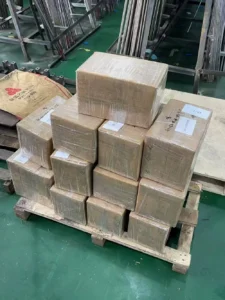
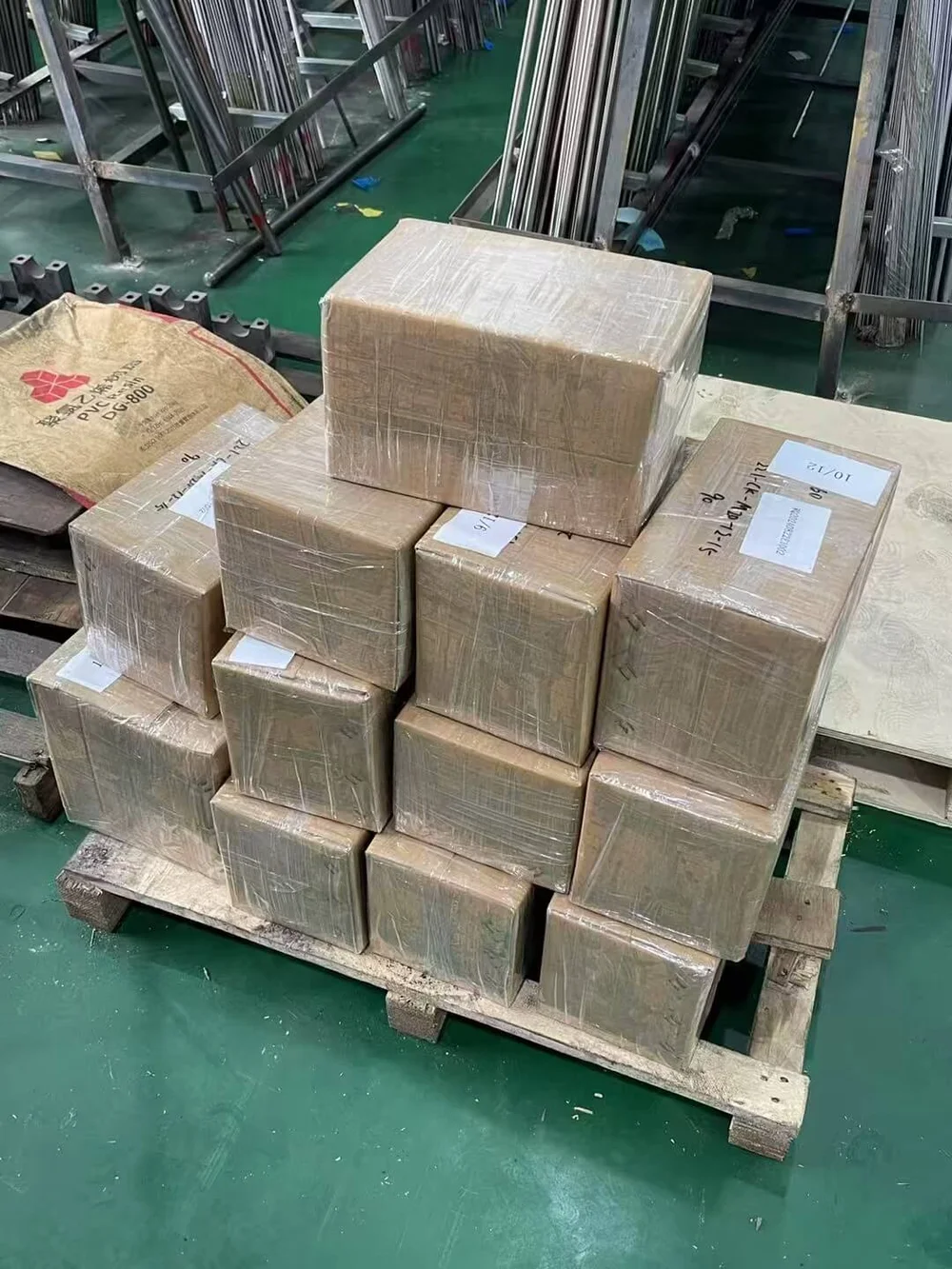
Packaging and export shipping covers how the shipment is protected, labeled and documented so it arrives correct and counts correctly.
Choosing the Right Partner
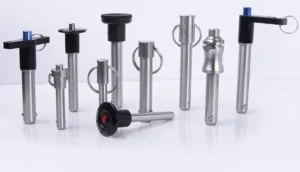
For a quick release pin supplier in China or an anchoring pin supplier, the test is simple: can they show you the machines, the certificates, and an engineer who answers a tolerance question? If yes, the country stops mattering and the factory does.
Frequently Asked Questions
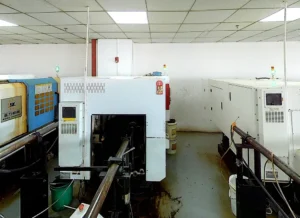
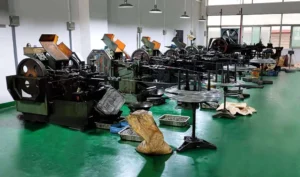
Trading company or factory? Ask for a live video tour of the line. A factory shows machines; a trading desk shows stock photos.
What documents should arrive with the order? Material certificates, a QC or inspection report, and a packing list. Anything promised later is a risk.
How low can MOQ go? Many factories, including ours, sample at low quantities. Volume is what earns the unit price, not the minimum.
Is ISO 9001 enough? It proves a quality system exists. It does not prove the specific pin was inspected. Pair it with a shipment-level QC report.
Talk to a Shenzhen Factory Directly
We have made and exported quick release pins since 2016, with material certs, QC reports, and engineers who spec the part with you. Contact us for a quote that lists the material, the finish and the inspection, not just a number.