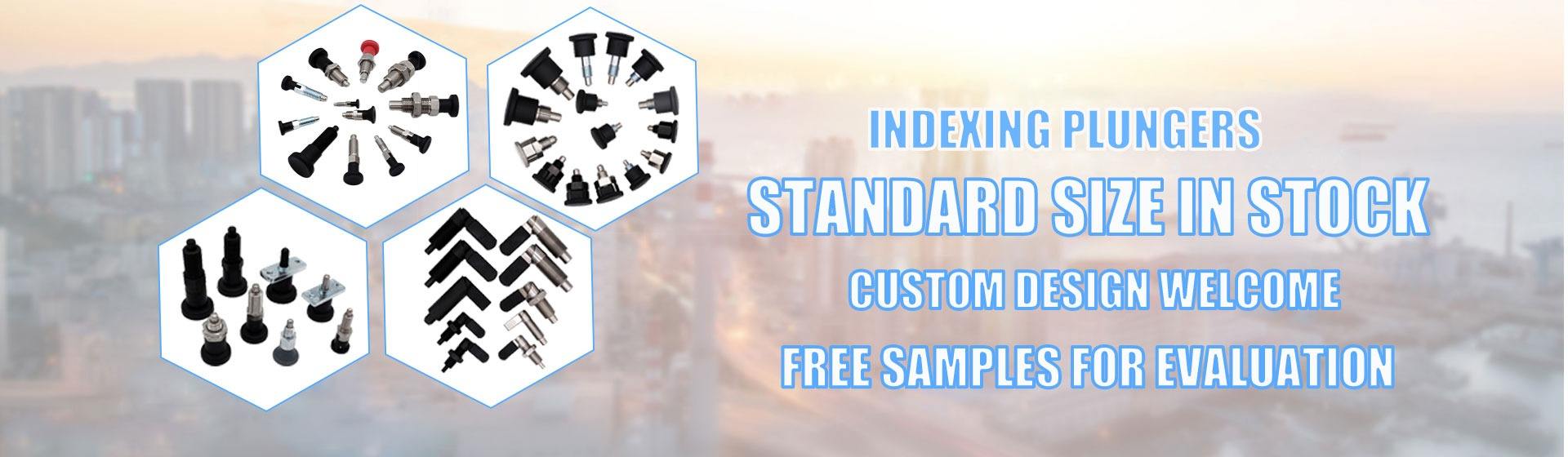
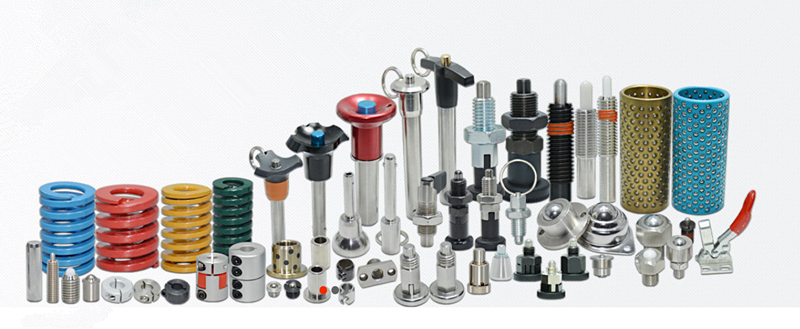
TL;DR — A quick release pin locks positively when installed and releases instantly when you pull the handle. This guide covers how they work, the main types (ball lock, push-button, T-handle, ring-handle), inch and metric sizes, materials, how to choose one, and how they compare to clevis and cotter pins. For production or OEM quantities, who makes the pin matters more than the lowest price.
A quick release pin is one of the simplest parts in a machine and one of the most load-critical. It holds fixtures, panels, tooling and safety equipment in place, then lets go the moment you pull the handle. That single job is decided by details that never show up in a product photo: ball protrusion, spring force, pin diameter tolerance. Two pins can look identical and behave completely differently under load.
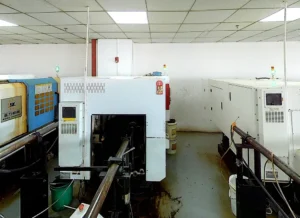
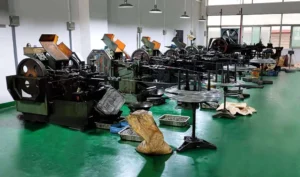
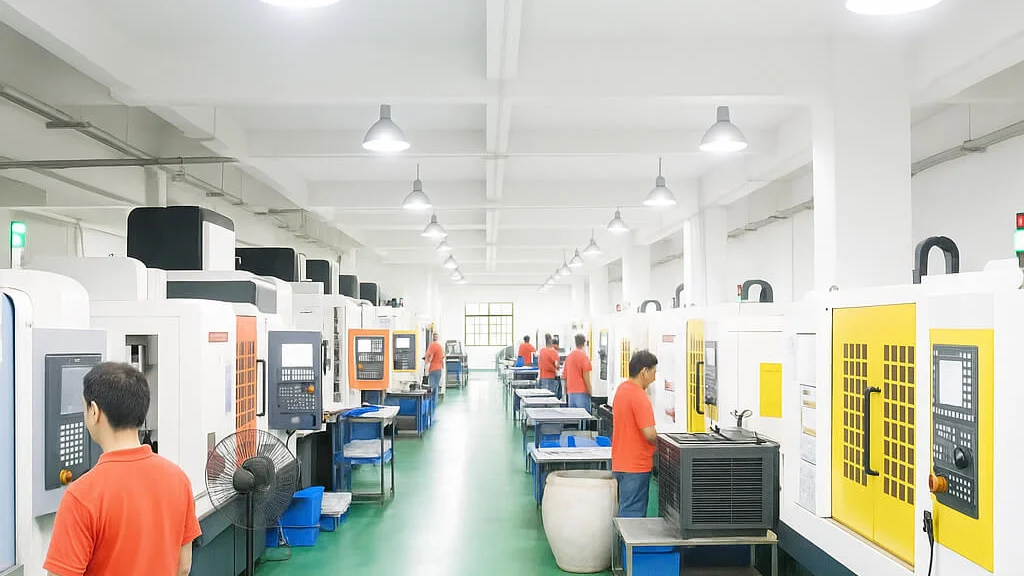
I run a fastener factory in Shenzhen and have shipped quick release pins to buyers across the US, Canada and Europe since 2016. This guide is the checklist I would hand a buyer who wants to understand the part before they spec it, or before they order ten thousand of them.
What Is a Quick Release Pin?
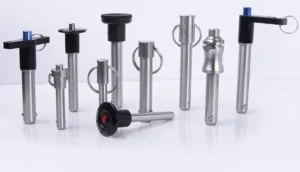
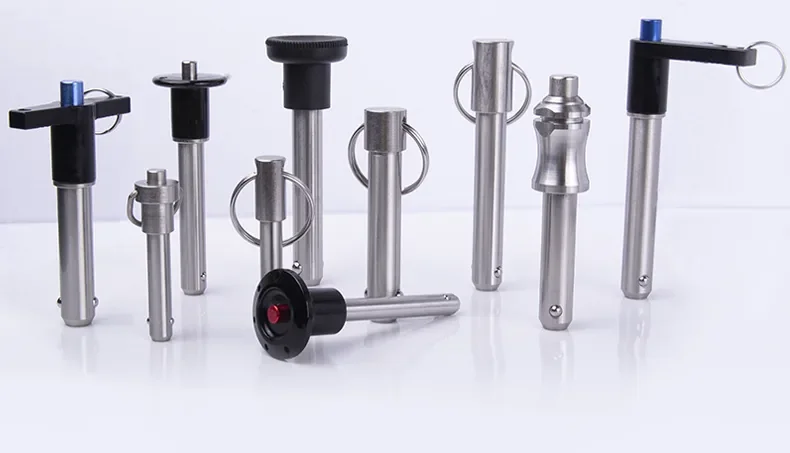
A quick release pin is a cylindrical pin with a spring-loaded locking mechanism at one end. You press the handle or button to retract the locking element, insert the pin through aligned holes, and release. The lock springs out behind the far plate and holds the assembly together. Pull the handle again and the pin comes straight out. No tools, no threads, no cotter pin to lose.
The core job is always the same: lock positively when installed, release instantly when commanded. Everything else, the handle style, diameter and material, is a variation on that theme.
How a Quick Release Pin Works
Most quick release pins use a ball-lock mechanism:
- A spring sits inside the pin body.
- Locking balls sit in radial holes near the tip.
- A plunger attached to the handle pushes the balls outward when released.
- Pressing the handle retracts the plunger, letting the balls sink in so the pin slides free.
The depth the balls protrude and the spring force behind them is what resists shear and pull-out. This is why how a ball lock pin works is worth reading before you spec a load-rated pin. The mechanism, not the marketing, decides safety.
The Main Types of Quick Release Pins
| Type | Handle | Best for |
|---|---|---|
| Ball lock pin | Button or T / ring handle | General locking, repeatable release |
| Push-button quick release pin | Recessed button | Compact panels, one-handed release |
| T-handle quick release pin | T-shaped grip | Gloved hands, high-torque feel |
| Ring-handle quick release pin | Folding ring | Quick pull in tight spaces |
The push-button version is ideal where a low profile matters. The T-handle and ring-handle versions give you more grip when you are wearing gloves or working by feel. If you are weighing the two spring-locking families against each other, our ball lock pin vs quick release pin comparison clears it up.
Sizes and Standards: Inch vs Metric
Quick release pins come in both imperial and metric series. Common imperial diameters run 1/4 inch, 5/16 inch, 3/8 inch and 1/2 inch, while metric covers 6 mm, 8 mm and 10 mm and up. The diameter sets the shear capacity; the grip length sets how thick a stack the pin can clamp.
- 1/4 inch quick release pins
- 3/8 inch quick release pins
- 1/2 inch quick release pins
- 6 mm / 8 mm / 10 mm quick release pins
- Metric sizes, tolerances and where to buy
Tolerance is where cheap pins fail. Read quick release pin tolerance standards before you assume a standard pin will drop into your reamed hole.
Materials: What the Pin Is Made Of
Most pins are stainless steel for corrosion resistance, but the grade decides the job:
- 316 stainless steel — marine and outdoor, maximum corrosion resistance.
- 17-4 PH stainless steel — precipitation-hardened, high strength where heat treatment matters.
- Aluminum — weight-critical applications where strength is secondary.
- Carbon and alloy steel with plating — the cost-down option for dry, indoor use.
See the full quick release pin material comparison for a decision table.
Load, Shear and How to Read the Numbers
A pin’s rating is its shear strength at the installed diameter. Our quick release pin shear strength write-up explains how shear is tested, and the load capacity chart shows how diameter and material combine into a working load. Always ask for a test report, not a brochure number.
How to Choose the Right Quick Release Pin
The fastest path is our dedicated how to choose a quick release pin guide, but the short version:
- Measure the hole diameter and the stack, or grip, length.
- Pick material by environment: marine equals 316, strength equals 17-4 PH, weight equals aluminum.
- Pick handle style by how the operator will pull it.
- Confirm shear rating against your worst-case load with margin.
- For production, send a drawing to a manufacturer who asks about load before quoting.
Where Quick Release Pins Are Used
The same pin shows up everywhere a part must lock and release without tools:
- Agricultural machinery — dust, vibration, weather.
- Construction equipment
- Race cars — fast bodywork access.
- Marine — salt resistance.
- Aerospace — traceability.
- Fitness equipment, medical, robotics and military.
See the full applications by industry guide for environment-specific spec advice.
Quick Release Pins for Custom and OEM Programs
For production volumes, custom quick release pins for OEM programs covers how a factory takes your drawing from sample to shipment, including material certs, first-article inspection and the engineering support that catches a tolerance problem before it becomes a recall.
Frequently Asked Questions
Are quick release pins reusable? Yes. A properly made ball lock pin is rated for thousands of insert and remove cycles. Fatigue shows first at the spring, not the shank.
Do quick release pins need a hole on both sides? They need a through-hole in the parts being joined and a clearance path behind so the balls can protrude. Solid-back mounting defeats the lock.
Can I get a quick release pin in a non-standard size? Yes, that is what OEM manufacturing is for. Send the diameter, grip length, material and handle style and a factory can sample it.
Stainless or plated steel? Outdoors or wet equals stainless, with 316 for salt. Dry indoor equals plated carbon steel to save cost.
What is the difference between a quick release pin and a ball lock pin? They are often the same product. Ball lock pin describes the locking mechanism; quick release pin describes the function. See the comparison.
Work With a Manufacturer, Not a Middleman
A quick release pin is a tolerance-critical safety part. Choose a factory that controls its own machines, issues material certificates and QC reports, and has an engineer who reads your drawing before quoting. We have done exactly that in Shenzhen since 2016, shipping to the US, Canada and Europe. Contact us with your drawing or specs and we will quote the part, not the guess.